

How Should You Set Up RC Suspension for Carpet Racing?
Quick Summary
Carpet racing setups usually run lower ride height, stiffer springs, less droop, and thicker shock oil than outdoor setups. Start stiff, then soften gradually, changing one setting at a time and logging each result.
- Set ride height as low as possible while still clearing bumps and seams without bottoming.
- Measure ride height at race weight from a flat reference surface, using the same routine every time.
- Start with stiffer springs than you would use outdoors, then soften gradually until the car turns in smoothly.
- Thicker shock oil gives a calmer, more controlled feel on high-grip carpet.
- Keep a setup log with date, track, ride height, springs, oil, and diff fluid to see which changes help.
Table of Contents
- Why Carpet Racing Needs a Different Suspension Setup
- Starting Point: Setting Ride Height and Chassis Clearance
- Choosing Spring Rate for Carpet Grip
- Shock Oil and Damping Adjustments on High-Grip Carpet
- Controlling Traction Rolling Through Setup
- Carpet Setup Symptom Chart: Matching Handling Problems to Adjustments
- Logging Changes and Building Your Carpet Setup at the Track
- Frequently Asked Questions
Why Carpet Racing Needs a Different Suspension Setup
Last Updated: November 11, 2026
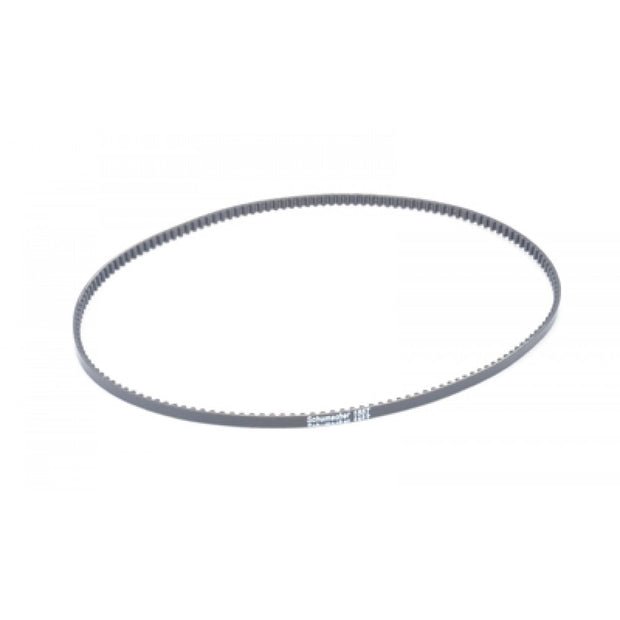
Carpet racing rewards a suspension that stays planted and predictable on a high-grip surface. A setup that works outdoors often feels loose or twitchy on carpet. Racers often try outdoor settings on carpet and wonder why the car won't hold a line. The fix usually starts with understanding how carpet changes the way the car needs to work.
According to EuroRC (2026), carpet setups use lower ride height, stiffer springs, less droop, and different wheel compounds than outdoor setups. EuroRC, Ultimate RC Carpet Racing Guide for 2026
Smooth, high-grip tracks reward a car that sits low and resists body roll. VRX Racing's suspension guidance points to the same four directions: lower ride height, stiffer springs, thicker shock oil, and reduced suspension travel. VRX Racing, RC Suspension Systems Explained
Watch out: Copying a setup from a different track or class is the most common mistake. A forum commenter noted that carpet requirements vary, so treat any published setup as a starting point, not a final answer.
Starting Point: Setting Ride Height and Chassis Clearance
Ride height is the first setting to lock down because it changes the geometry that every other adjustment depends on. Carpet racers usually run the chassis lower than outdoor racers, but the target is not a fixed number. It is the lowest height at which the car still clears bumps, seams, and carpet irregularities without the suspension hitting its limit.
Measure at the same points every time. Use a flat reference surface, such as a level setup plate or a smooth section of the pit table, and measure from that surface to the lowest fixed point of the chassis at the front and at the rear. Measure with the car at race weight, including the battery and body, because a bare chassis will read higher than a loaded car and lead you to run it too low.
A few errors show up often. Measuring with the tires deflated or with the car sitting on its own droop limit gives a false reading. Measuring the front and rear on different surfaces, or after the car has been driven and the tires have warmed and softened, shifts the numbers enough to matter. Keep one measurement routine and use it for every session so your log compares like with like.
Once you have a starting height, check clearance by driving a few laps and watching for two things. If the chassis scrapes or the body contacts the track on the highest bumps, raise one end slightly. If the suspension bottoms audibly or the car feels abruptly stiff at the end of its travel, the ride height is too low for the spring rate you are using. Ride height and spring rate interact, so a lower car usually needs slightly stiffer springs to keep the same balance.
Work in small steps. Adjust by about one millimeter or one mounting-hole increment at a time, recheck the measurement, and run again before changing anything else. Record the front and rear heights in your setup log with the date and track condition, since the same number can behave differently on a fresh surface than on a worn one.
Choosing Spring Rate for Carpet Grip
Spring rate controls how quickly the car responds to weight transfer. On carpet, stiffer springs help the car settle and rotate on command.
Start with a stiffer spring than you'd run outdoors, then soften gradually until the car turns in smoothly without feeling unstable. Change one spring at a time so you know what each change does.
Schumacher CORE high response springs are available in several rates, including the CR837 V2 medium spring at 5.2 lb/in and the CR833 at 4.0 lb/in. The CR831 at 3.4 lb/in is a softer option. These springs were developed by Schumacher engineers for a range of surfaces, from low-grip dirt to high-grip carpet.
Shock Oil and Damping Adjustments on High-Grip Carpet
Shock oil slows how fast the suspension moves. Thicker oil gives a calmer, more controlled feel on carpet. Thinner oil makes the car react faster, which can help rotation but may cause instability.
Make one damping change at a time. Log it, run a few laps, and compare. Shock oil choice matters more than most racers expect, so match it to your track's grip level and your driving style.
Watch out: Changing oil viscosity and spring rate together makes it impossible to know which change helped or hurt.
Controlling Traction Rolling Through Setup
Traction rolling happens when the car gets stuck, then suddenly breaks loose. Setup can reduce it. Stiffer springs and thicker oil help the car stay planted through the corner. Adjust the differential fluid too, since it changes how power reaches the tires.
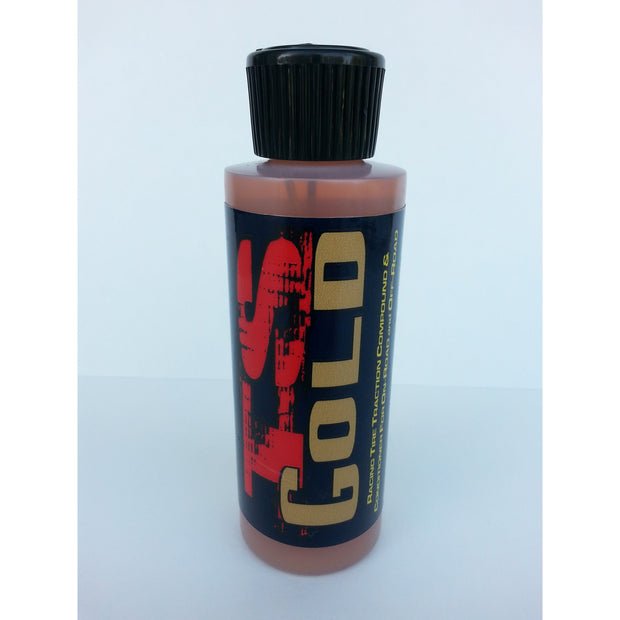
Test small changes and watch how the car exits corners. A car that rolls through the middle of a corner usually needs a small change in damping or spring rate, not a major overhaul.
Carpet Setup Symptom Chart: Matching Handling Problems to Adjustments
Use this chart to connect what the car does with what to change first.
| Symptom | Likely Cause | First Adjustment |
|---|---|---|
| Car won't turn in | Springs too soft or ride height too high | Stiffen front springs |
| Car pushes wide mid-corner | Too much front grip or too much droop | Reduce front droop |
| Car feels twitchy or loose | Oil too thin or springs too soft | Thicken shock oil |
| Car rolls through corners | Traction breaks loose at exit | Adjust diff fluid and damping |
| Car bottoms on bumps | Ride height too low | Raise ride height slightly |
Change only one item at a time and retest before moving on.
Logging Changes and Building Your Carpet Setup at the Track
Keep a simple setup log. Record the date, track, ride height, spring rates, shock oil, diff fluid, and lap times. Note how the car felt in each section. Over time, the log shows which changes help on your track and which ones don't.
Browse the Track Star R/C shop to find the spring rates and parts that match your setup plan, or subscribe to hear about new products and special offers.
Frequently Asked Questions
How should I set up RC suspension for carpet racing?
Start with a baseline: lower ride height, stiffer springs, less droop and a different wheel compound than you would use outdoors. Set chassis clearance first, then adjust spring rate, shock oil and droop one change at a time. Record each change and its result on track so you can tell which adjustment actually helped the car's grip and handling.
What shock oil should I use for an RC car on carpet?
Guidance for smooth, high-grip tracks favors thicker shock oil, so carpet setups generally run heavier oil than dirt setups. The right weight depends on your spring rate and the grip level of your track. Change oil in small steps and watch how the car settles through corners, because a heavier oil slows weight transfer and can reduce rotation.
Are softer or stiffer springs better for RC carpet racing?
Carpet racing generally calls for stiffer springs than outdoor racing because high grip lets the car load the suspension hard. Stiffer springs reduce body roll and keep the chassis more stable under acceleration and braking. If the car becomes unresponsive or pushes on entry, a slightly softer spring on one end may restore rotation. Make one spring change at a time.
How do I reduce traction rolling on high-grip carpet?
Traction rolling happens when the tires grip so hard that the chassis lifts or rolls on acceleration. Reduce it by stiffening the spring on the affected end, adding shock oil to slow suspension movement, and limiting droop so the wheels cannot lift too easily. Check that the suspension is balanced front to rear before making larger changes.
